Pet Internal Medicine in Lafayette, LA
Vet Med Animal Hospital provides internal medicine services for dogs, cats, and exotic pets in Lafayette, LA. From endocrine disorders and cardiac concerns to chronic kidney disease and dermatological conditions, our team offers evidence-based diagnosis and long-term medical management.
Long-Term Medical Care for Complex Conditions
Internal medicine at Vet Med Animal Hospital is built around continuity. Many of the conditions we manage—diabetes, hypothyroidism, kidney disease, heart disease, inflammatory bowel disease, and others—are chronic, meaning they require ongoing monitoring, medication adjustments, and regular communication between our team and the pet’s family.
For pets whose internal medicine conditions intersect with surgical needs, our in-house Pet Soft Tissue Surgery and Pet Diagnostics & Imaging capabilities allow us to coordinate care seamlessly without outside referrals in most cases.
Internal Medicine Conditions We Manage
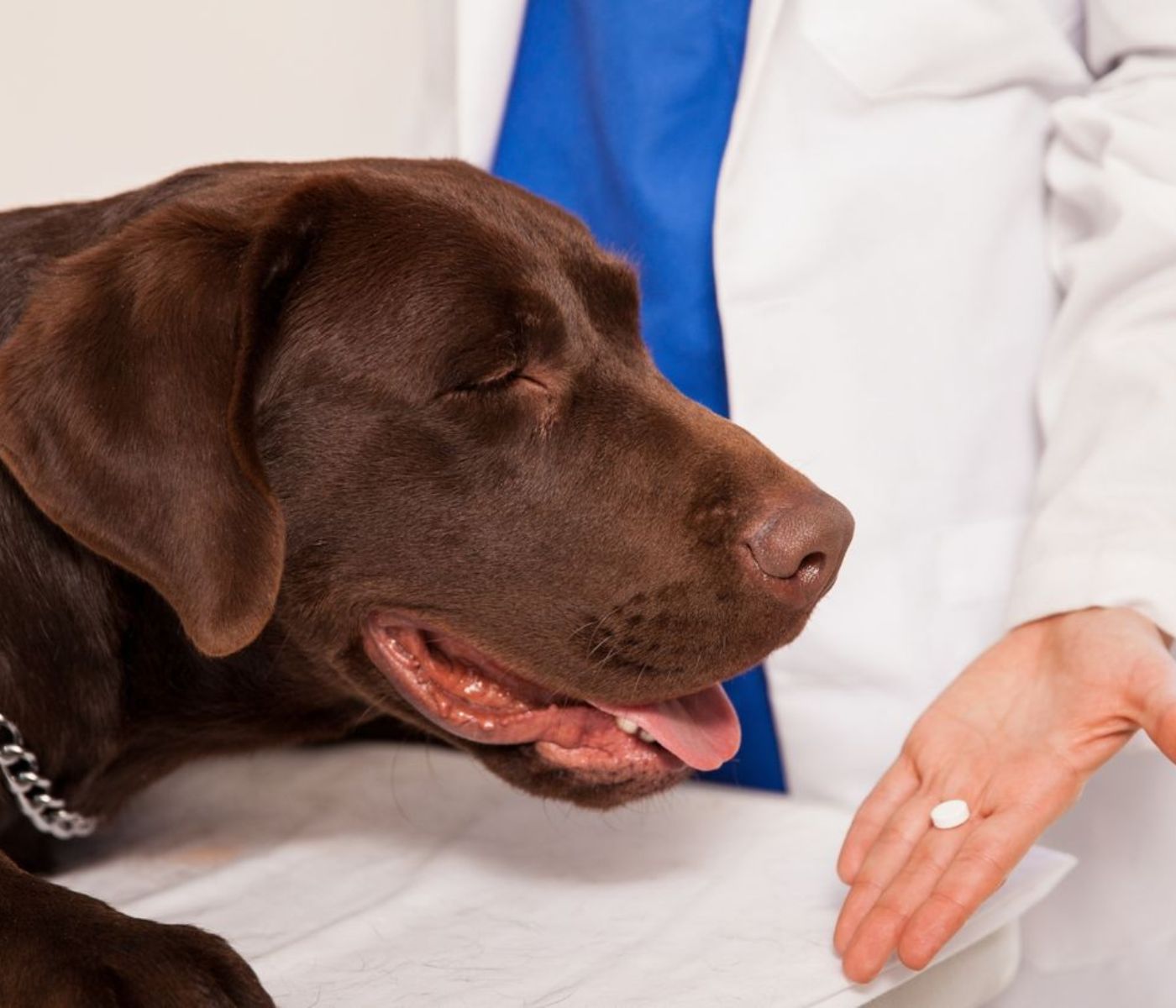
Our internal medicine services cover a broad range of systemic and chronic conditions in dogs, cats, and exotic pets. Below is an overview of the primary areas our team addresses at our Lafayette clinic.
Chronic Disease Monitoring
Maintenance Medical Management
Conditions We Diagnose & Manage

In-House Lab Monitoring

Single-Doctor Continuity

FAQs About Pet Internal Medicine
What internal medicine conditions does Vet Med Animal Hospital treat?
Vet Med Animal Hospital manages a broad range of internal medicine conditions in dogs, cats, and exotic pets in Lafayette, including diabetes mellitus, hypothyroidism, hyperthyroidism, chronic kidney disease, liver disease, heart disease, inflammatory bowel disease, dermatology and allergy conditions, urinary disorders, and infectious disease. Dr. Scott Tate oversees all internal medicine cases personally, using our in-house laboratory to monitor disease progression and guide treatment decisions over time.
How is diabetes managed in dogs and cats?
Diabetes mellitus in pets is managed through a combination of insulin therapy, dietary modification, and regular monitoring. Dogs typically require insulin injections once or twice daily, while cats may achieve remission with early, aggressive insulin management and a low-carbohydrate diet in some cases. Regular glucose monitoring and periodic bloodwork are essential for keeping diabetic pets stable and adjusting insulin doses as needed.
Owner education is also a key part of diabetes management—our team will walk you through home monitoring techniques and what to watch for between visits.
What are the signs that my pet may have a thyroid disorder?
Thyroid disorders present differently depending on whether the thyroid is underactive or overactive. Hypothyroidism—most common in dogs—typically causes weight gain, lethargy, hair thinning or loss, and cold intolerance. Hyperthyroidism—most common in older cats—tends to cause weight loss despite a good or increased appetite, increased thirst and urination, hyperactivity, and vomiting. Both conditions are diagnosed through blood testing and managed with medication.
If your dog or cat is showing any of these signs, our team at Vet Med Animal Hospital can run the appropriate diagnostics during a single appointment and discuss treatment options with you the same day.
How often does my pet need to come in for chronic disease monitoring?
The frequency of monitoring visits depends on your pet's specific condition, how well it is currently controlled, and which medications they are taking. Our team establishes a monitoring schedule tailored to your pet's individual needs and adjusts it over time based on their response to treatment. Consistent follow-up is one of the most important factors in keeping chronic conditions stable and catching changes before they become serious.